IPC Hermes Standard
Product Model:IPC-HERMES-9852
Seamless SMT M2M connectivity for 40% lower integration costs.
IPC-HERMES Smart Manufacturing Standard
Facilitating Efficient Connection Between SMT
Product Introduction
Hermes-9852 is an M2M (Machine-to-Machine) communication standard for SMT production lines based on TCP/IP, promoted by the Global Electronics Association (GEA). It replaces the traditional SMEMA interface, enabling real-time coordination of PCB transfers between equipment to establish a stable and highly controllable production flow.
Common Production Line Challenges
- Lack of PCB Transfer Coordination: Traditional communication methods can only detect PCB presence and basic good/bad status. They fail to verify adjacent equipment status prior to transfer, often leading to PCB misrouting or unnecessary line stoppages.
- Difficulty in Equipment Collaboration: Equipment from different brands utilizes proprietary transfer and control protocols. The absence of a unified standard significantly increases the complexity of line-wide coordination and deployment.
- Unstable Production Rhythm: PCB transfers cannot dynamically adapt to changes in equipment status, resulting in extended wait times, machine idling, and unnecessary stoppages.
Solutions and Value
- Stable Board Transfer Control: Leverages a standardized, real-time communication mechanism to ensure PCBs are transferred only when downstream equipment is ready, severely mitigating the risks of board jams and misrouting.
- Enhanced Production Rhythm Consistency: Establishes a predictable PCB flow rhythm, minimizing equipment idle time and unnecessary line interruptions.
- Reduced Integration and Deployment Costs: Replaces the legacy SMEMA interface, reducing reliance on customized I/O and proprietary protocols, thereby accelerating multi-brand equipment integration.
Proven by International Standards, Driving Operational Excellence
-
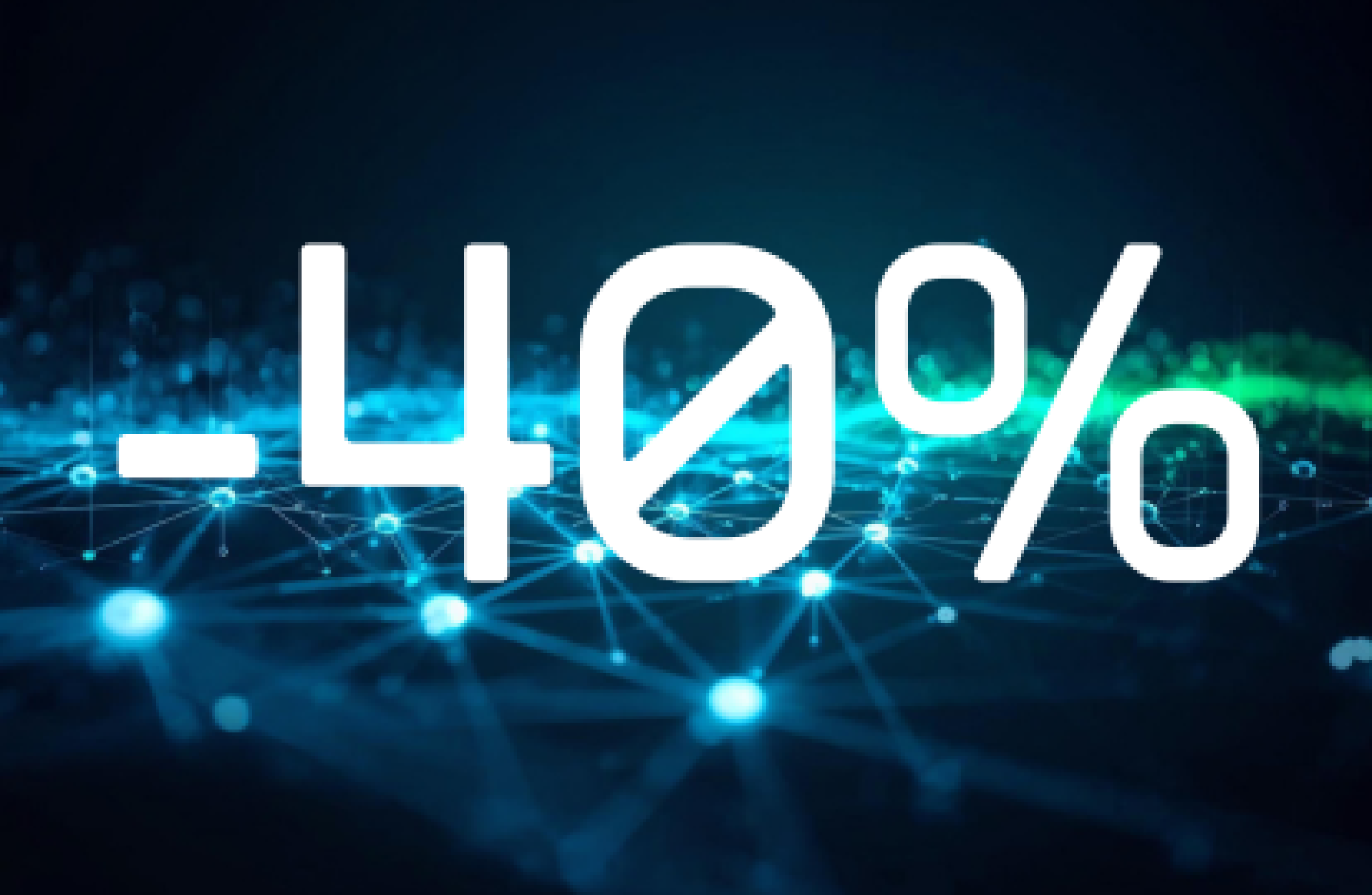
Cost Optimization
Standardized protocols replace custom interfaces, reducing integration and maintenance costs by 40%. -
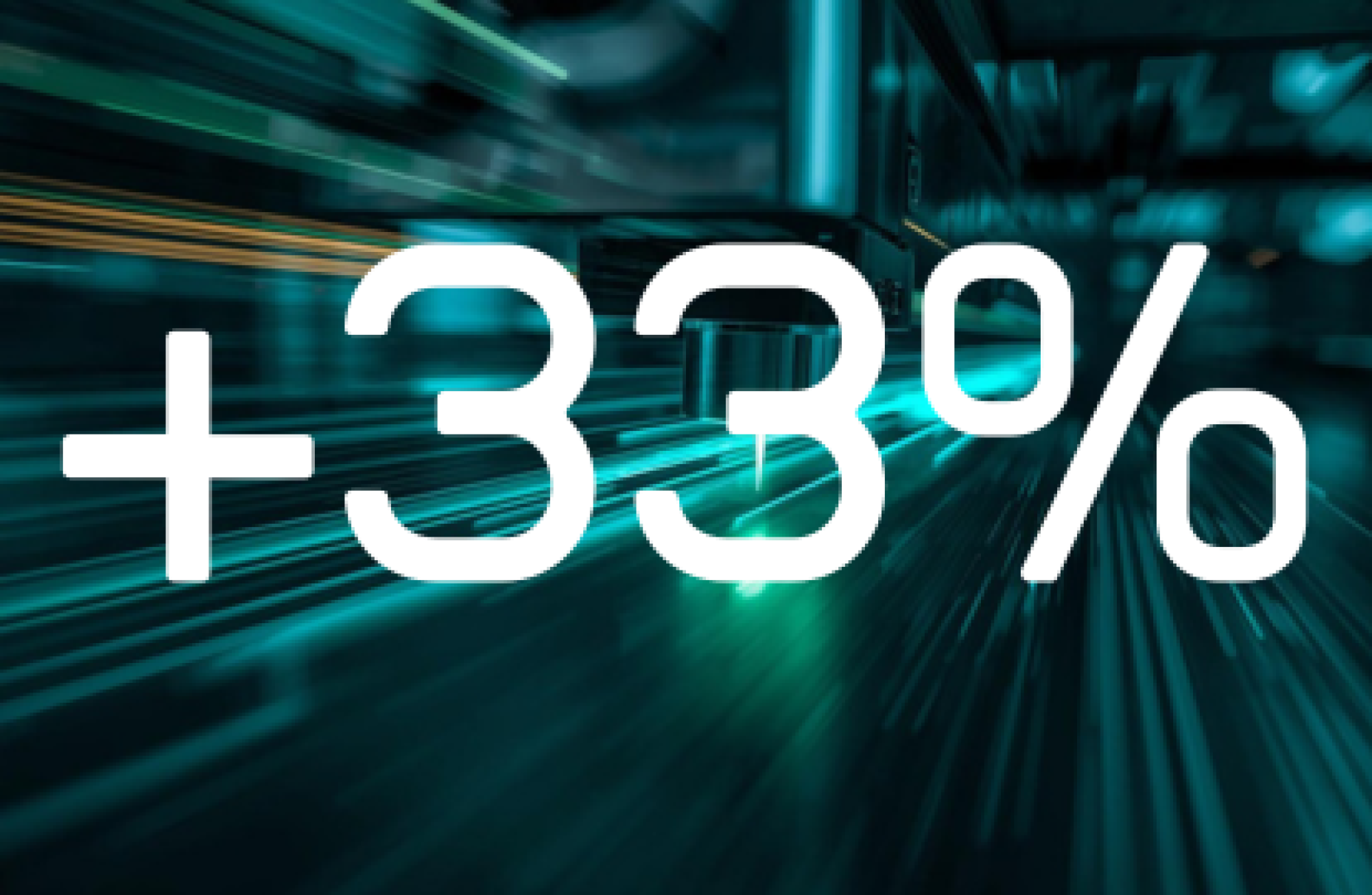
Throughput Boost
Real-time transmission eliminates production bottlenecks, boosting overall capacity efficiency by 33%. -
Changeover Precision
Automated transfer of comprehensive product parameters and auto-width adjustment eliminate human errors.
IPC-Hermes Data Exchange Workflow
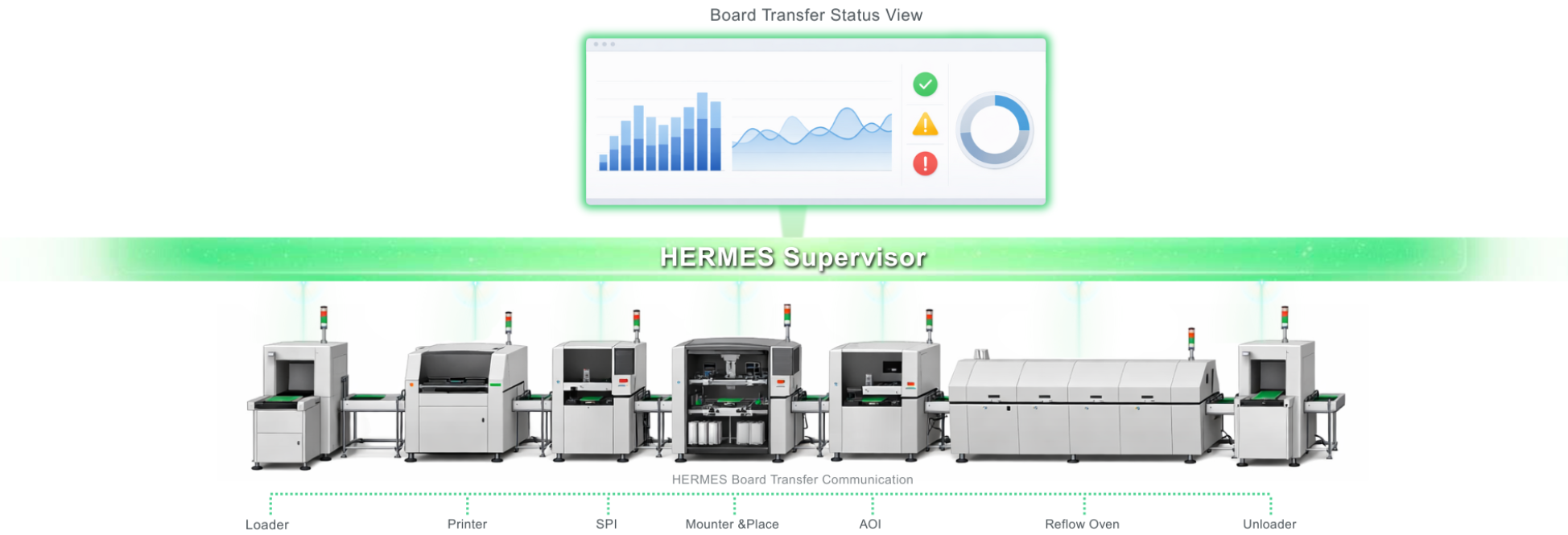
Enabling real-time data exchange and automated connectivity among SMT equipment via the HERMES protocol for PCB transfers.
Technical Specification Highlights
- Board identification data: Basic details including PCB ID, dimensions, and orientation.
- Transmission status: Determines readiness for transmission or reception via standardized request and response mechanisms.
- Adjacent Equipment Status: Real-time visibility into whether upstream and downstream equipment can receive or transmit PCBs.
- Transfer Control Signals: Control and confirmation data utilized to coordinate PCB transfer actions.
- Line-Level Coordination Data: Supports PCB flow coordination across the line to ensure consistent production rhythm.
Application Scenarios
-
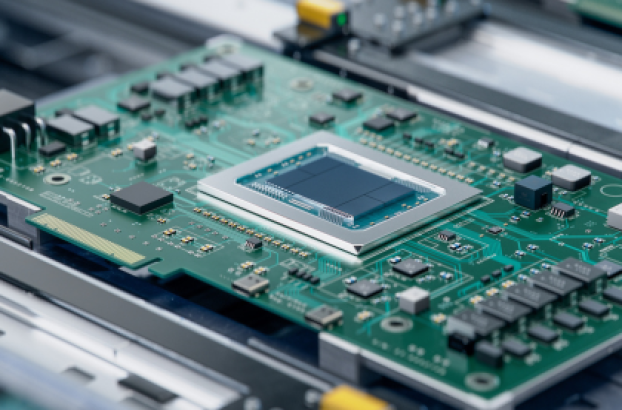
Real-time PCB Connectivity
SMT equipment is interconnected via the Hermes protocol for real-time PCB data transfer, ensuring stable line operations. -
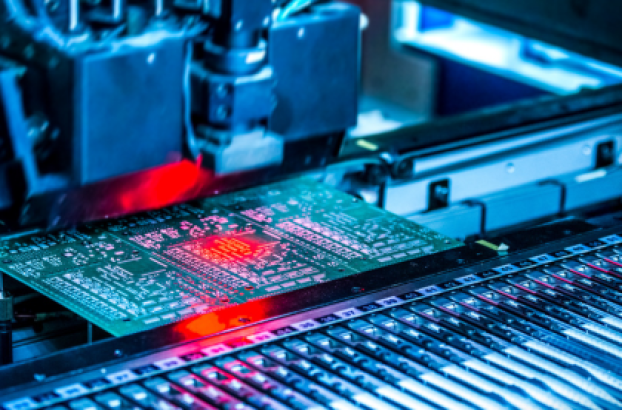
Smart Process Monitoring
Creates highly efficient and transparent process control by synchronizing upstream and downstream machine statuses via IPC-Hermes. -

Data-Driven Management
Integrates Hermes with MES to synchronize SMT production data, enhancing visibility and manufacturing decision-making efficiency.
Key Benefits of Implementing Hermes

Error Reduction
Digitalized PCB transfers prevent manual setup errors, ensuring stable production flows.

Efficiency Enhancement
Automated data exchange accelerates upstream and downstream transitions, shortening production cycle times.

Enhance Traceability
Each PCB is assigned a unique ID, enabling end-to-end traceability of the production history.
IPC HERMES: Highly Efficient Collaboration Elevates SMT Line Intelligence
The IPC-CFX and HERMES protocols employ advanced M2M communication standards to achieve seamless data exchange among equipment, elevating the collaborative efficiency and precision of SMT lines. Standardized data transmission mechanisms ensure highly efficient information flow and real-time feedback, significantly mitigating the risks of human error and downtime.
Empowering Strategic Transformation through Comprehensive Integration
Sunjsong provides expert system integration services, seamlessly merging EMS, AI, IoT, and edge computing. We empower enterprises to implement intelligent applications and achieve cross-domain synergy, creating high-efficiency, visualized environments that drive strategic value and informed decision-making.